
My Family's Food Revolution
Severe psoriasis at age 9 led our family down a path of food documentaries, dietary changes, and surprising results. While I can't claim food was a miracle cure, something kept the psoriasis away. This experience sparked a lasting interest in nutrition after 50—here's what I've learned about protein, fiber, and eating well as we age.
Seasoned with Youth
When my youngest daughter was 9, she was diagnosed with psoriasis. Red marks covered her torso and hairline. It didn't seem to hurt her, but she was embarrassed, so we sought help. The dermatologist told me it was the worst case of pediatric psoriasis she had ever seen and outlined the evolving treatments my daughter would need for the rest of her life. This terrified me. The thought of increasing medications and treatments was not something I wanted for my child.
As if one health concern wasn't enough, around this same time, I was facing another worry with my oldest daughter who was a competitive dancer. A co-worker warned me that dance could affect the curvature of her spine and lead to back problems later in life.
In my pursuit of keeping both my daughters healthy for their adult years, I discovered an osteopath who changed my perspective entirely. She introduced me to the idea of supporting the body's health through diet and exercise. She recommended a documentary called "Forks Over Knives," which sent me down a rabbit hole of watching documentaries to learn about food and health. These documentaries opened my eyes to the connection between food and healing. We committed to trying a whole food, plant-based approach, not knowing what to expect.
My youngest daughter's psoriasis seemed to clear up as we eliminated certain foods. When I returned to the specialist and shared this, she became angry. She insisted it wasn't the diet that cleared it up—it was the ointments she had prescribed and the summer sun. This doctor, who had initially tried to reassure my fears about the medications, was now yelling at me, dismissing everything I had tried to help my daughter. She declared that I'd be back in a few months because "that's when she sees all her psoriasis patients." She told me to keep the SickKids appointment she had referred us to, which I did for three years. The doctors there never saw any psoriasis on my daughter's body.
Twelve years later, my daughter has never sought additional treatment for her skin condition.
I want to be clear: I'm not claiming food was a miracle cure. The improvement we saw was our family's experience, not scientific proof. Current dermatology research doesn't confirm a direct causal relationship between diet and psoriasis, though it acknowledges that certain foods can help reduce inflammation. But something kept the psoriasis away. For a few years, we really tried to have her eat properly, though it was challenging—she has a mega sweet tooth, and she ate terribly in high school.
We never became fully plant-based, but for many years we focused on eating healthy. It's not always easy but I believe that if you eat well most of the time, you'll stay healthy. We also need to enjoy a few treats; a few indulgences here and there aren't going to hurt you and sometimes is needed to get you through the day.
Everyone seems to have their own ideas about what the body needs to stay healthy as you age. While I'm not a health professional, my daughter's experience sparked a lasting interest in nutrition and aging well. Here's what I've learned from reading about healthy eating after 50:
Key Nutritional Recommendations After 50:
1. Protein becomes more important than ever. Muscle loss accelerates around age 50, and protein intake needs to increase to help maintain what's there. The exact amount varies depending on activity level, body size, and individual health factors—it's worth doing some personal research to figure out what works best.
2. Certain nutrients deserve extra attention. Potassium, calcium, vitamin D, fiber, and vitamin B12 all become increasingly important after 50. The body's ability to absorb B12 can decline with age, sometimes due to underlying health conditions. Calcium needs also increase for women after 50—it's not just about bone health, but also supports heart function, nerves, and muscles.
3. Fiber matters more than most people realize. Most people don't get nearly enough fiber, even though it plays a major role in digestive health and can help reduce the risk of developing type 2 diabetes. It's one of those unsexy nutritional facts that actually makes a real difference.
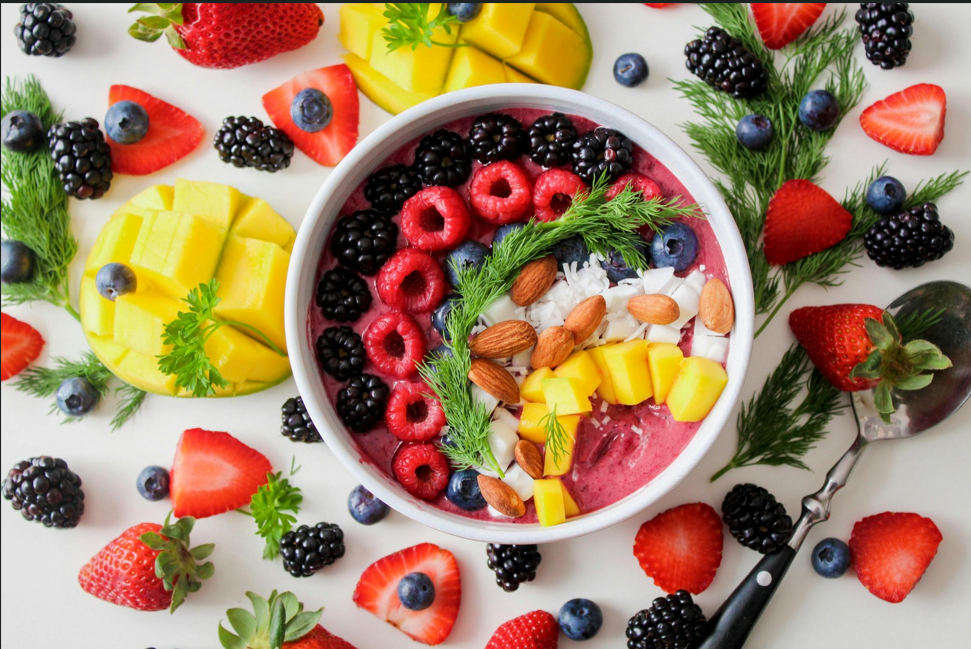
4. Color on the plate is a good sign. The natural blues, yellows, and reds in fruits and vegetables usually signal heart-protecting antioxidants. Dark leafy greens like kale, arugula, broccoli, and spinach pack in fiber, support muscle function, and promote heart health. Basically, the more colorful the plate, the better.
5. Watch the usual suspects: sugar, saturated fat, and sodium Limiting added sugars, saturated fats, and sodium helps reduce the risk of high blood pressure, diabetes, and heart disease. It's not about perfection, but being mindful of these makes a difference over time. After 50, we know what works for our bodies.
What is one simple, non-negotiable healthy food or habit you swear by for energy and feeling great?