
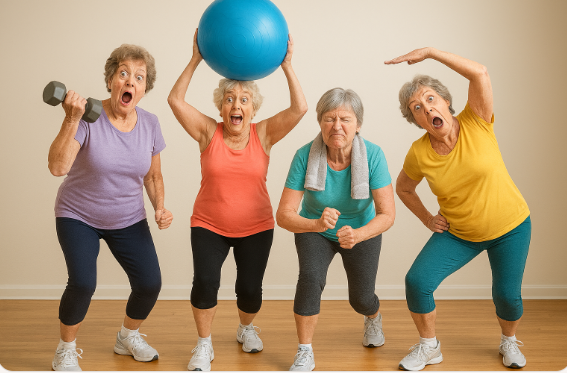
Embracing Movement After 50: A Personal Journey and Practical Guide
Embracing Movement After 50
Age is not a limitation—it's an invitation to move with intention, strength, and joy. After 50, your body craves movement that honours where you've been while building where you're going.
Whether you're rediscovering fitness or maintaining lifelong habits, this is your time to embrace exercise that energizes rather than exhausts, strengthens rather than strains, and celebrates what your body can do today.
From gentle stretching and walking to strength training and balance work, movement after 50 is about sustainability, not intensity. It's about waking up feeling capable, staying independent, and moving through life with confidence and vitality.
Your body has carried you this far—let's keep it moving forward.
My younger self was one of the lucky ones — thin, active, and seemingly able to eat what I liked without gaining weight. In my 20s, I was a gym rat—the kind who'd spend hours there happily moving between stretching, cardio, and weights. I wasn't bodybuilder-level, but I was strong and I had abs I was proud of. But life happens; full-time work, raising children, evenings spent doing courses instead of hitting the gym. Exercise became something I had to fit in, rather than something I simply loved.
The weight came off quickly after my first child, but after my second, those last few pounds stubbornly remained. In my 40s I noticed the weight creeping up. Then I turned 50 … and suddenly weight seemed to want to be my new best friend. I saw changes in areas I never worried about in my 20s and 30s. I tried everything: Noom, a nutritionist, Weight Watchers. They all worked — if I followed the plan perfectly. The problem? I never truly learned how not to eat whatever I wanted. The relationship I once had with food, had fundamentally changed.
Now, keeping fit in my 50s feels vastly more challenging. But it is possible. With a few smart updates to how I approach movement and health, I’m discovering a way of staying active that honours both the body I have now and the one I used to have.
Why Moving Matters (Especially After 50)
Good news: becoming more active isn’t just about chasing the "old you" — it’s about finding the best you at this stage of life.
Here's what I've learned from all the reading I've done: movement matters—more than I realized. Staying active after 50 isn't just about looking good or maintaining weight. It genuinely helps us live longer and feel better. Things like brisk walking, cycling, or jogging support heart health and longevity. Strength training becomes crucial because it fights the natural muscle loss that accelerates as we age, protects our bones, and helps with balance. And the benefits go beyond the physical. I've noticed that when I'm moving regularly, my mood is better, my thinking is clearer, and I just feel more capable of handling whatever life throws at me. So yes — even if your younger self was lean and active, the game changes in your 50s. And that’s okay. You’re not just maintaining, you’re adapting.
What’s Changed (And What to Do Differently)
From my own experience, here are some of the shifts I’ve noticed and the adjustments that have helped.
Slower metabolism & changing body composition
It feels as though the body that easily drifted along in previous decades now resists. Here's what I've noticed:
I'm losing muscle without even trying. Strength that came naturally before now requires intention and effort to maintain.
Weight gravitates to different spots. My 20s and 30s blessed me with easy abs and arms I never thought about. My 50s? Fat accumulates around my back, hips, and midsection in ways that feel entirely new.
Everything metabolically shifted after menopause. My body's relationship with food and energy changed fundamentally. The rules are different now.
What to do:
Add strength training 2–3 times a week. The goal isn't a bodybuilder physique—it's about feeling strong and capable in daily activities.
Give more attention to protein intake, quality sleep, and nutrient-dense foods. Recovery becomes increasingly important, and nutrition directly impacts energy and well-being.
Let go of calorie-counting mentality. Shift focus to building strength and sustaining consistent movement. This reframing creates a healthier, more sustainable approach.
Movement must evolve
The body at 25 can handle almost anything. At 50, joints, recovery time, and energy levels require a more thoughtful approach.
Aerobic exercise remains essential. Brisk walking, jogging, or cycling all support cardiovascular health and help reduce disease risk.
Strength and resistance work becomes more crucial with each passing year—it's what maintains muscle, protects bones, and keeps the body functional.
Gentle, low-intensity movement matters too, especially for anyone starting fresh or easing back into fitness after a break.
What to do:
Set a realistic weekly goal: aim for 150 minutes of moderate aerobic activity and 2 strength sessions per week.
Choose exercises that protect joints, enhance balance, and reduce injury risk (e.g., bodyweight squats, resistance bands, walking uphill, Pilates).
Make it regular — even short bursts of movement are meaningful.
Mindset shift: from “working out” to “moving for life”
In my 20s I went to the gym to maintain weight or counterbalance a slice of cake. In my 50s it’s more about longevity, strength, and health.
What to do:
Reframe exercise as a form of self-care and prevention—not punishment.
Recognize that the body you have today is different — and deserving of its own best practice.
Embrace movement you enjoy (friend walks, biking, dance, pickle ball) so consistency is more likely.
Tips that helped me:
• Consistency over intensity: Some days I simply walk; other days I lift (or plan to).
• Build habit, not perfection: Some weeks I work out consistently. Other days I veg and watch TV. That’s life.
• Recovery matters: Good sleep, mobility work, and rest days help me feel ready.
• Nutrition supports everything: I aim to eat for health and energy, not just weight.
• Enjoyment = longevity: If it feels like a chore, I’m less likely to stick with it. I pick movement I like.
Final Thoughts
Turning 50 brought with it a realization: staying fit is no longer simply about being lean or chasing curves. It’s about sustaining mobility, enjoying life, preventing decline, and feeling strong in this version of me.
My younger self might have scoffed at a 30-minute walk or thought resistance bands were a substitute. But my 50-something self knows this: movement is everything. Strength matters. The body that supports my kids, career, hobbies, friendships is worth investing in.
If you’re there too — navigating the changes, noticing the shifts, wondering “what now?” — know this: you’re not starting late. You’re simply starting right. Be kind to yourself. Celebrate progress, not perfection. And keep moving forward.
Consistency is the hardest part for me! What are some of your best mental trick or routine secret for staying motivated and getting out the door on a day you just don't feel like it?
Here are some of the websites I have used for staying fit:
• Hoag Foundation. https://www.hoag.org/aspire/the-benefits-of-staying-fit after-50/ Hoag
• WebMD. https://www.webmd.com/healthy-aging/what-to-know-about-running after-fifty WebMD
• AARP. https://www.aarp.org/pri/topics/health/prevention-wellness/physical activity-exercise-benefits/ AARP
• Stanford Longevity Center. https://longevity.stanford.edu/lifestyle/2024/07/02/recommended-exercises for-adults-50/ longevity.stanford.edu
Feel free to use these as starting points to build your own plan, adjust as you learn what your body responds to, and enjoy the journey of movement after 50!
What have you done to stay active and fit in your 50’s
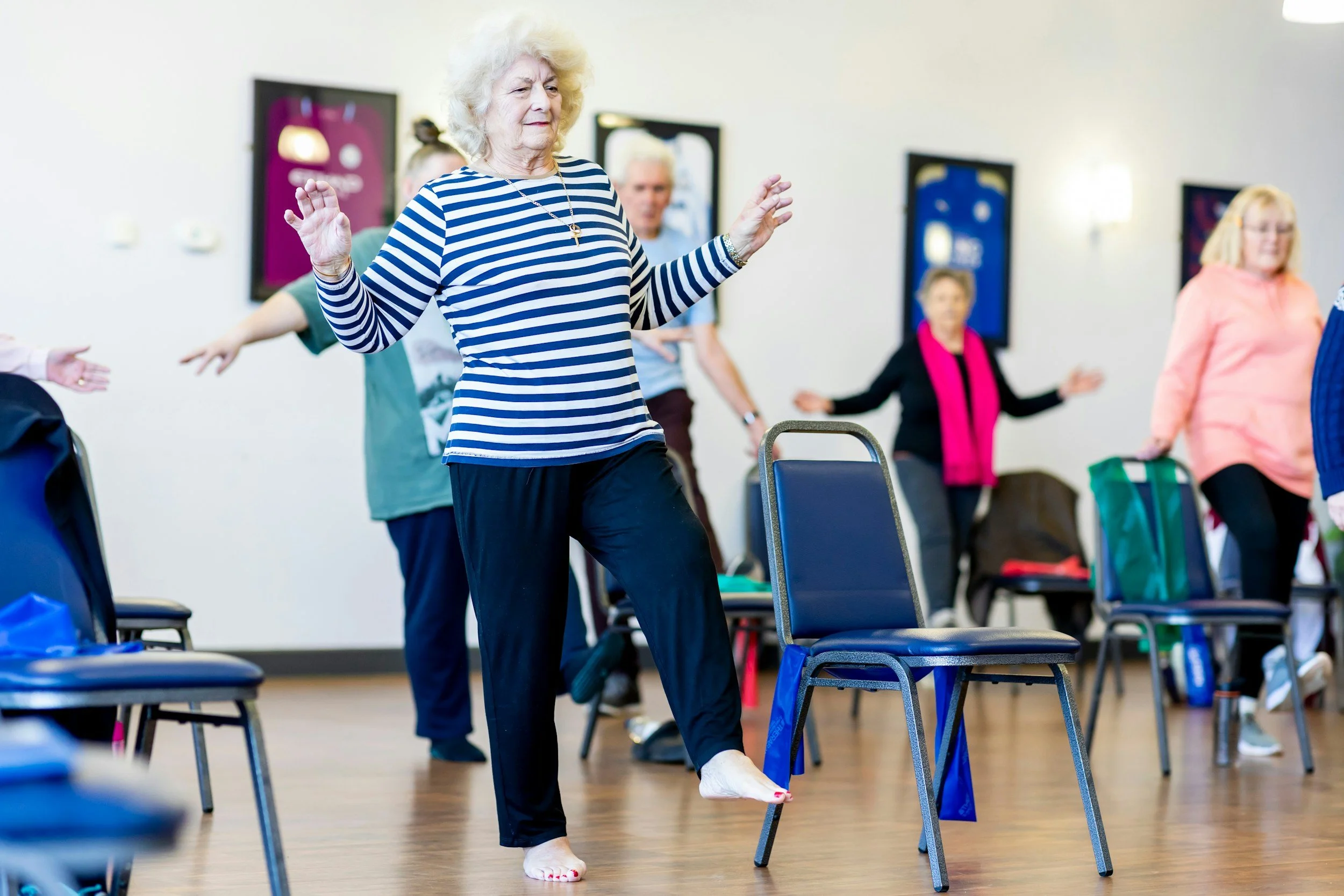
Women exercising