
My Family's Food Revolution
Severe psoriasis at age 9 led our family down a path of food documentaries, dietary changes, and surprising results. While I can't claim food was a miracle cure, something kept the psoriasis away. This experience sparked a lasting interest in nutrition after 50—here's what I've learned about protein, fiber, and eating well as we age.
Seasoned with Youth
When my youngest daughter was nine, life decided to casually toss me a brand-new anxiety I never asked for. She was diagnosed with psoriasis. Red marks showed up across her torso and along her hairline. It didn’t seem to bother her physically, but emotionally? Oh, she was embarrassed—and that alone was enough to send me into full mama bear mode.
So off to the dermatologist we went, expecting maybe a cream and a “no big deal.” Instead, the doctor looked at me and said it was the worst case of pediatric psoriasis she had ever seen. Ever. Love that for us. Then she calmly explained all the evolving treatments my daughter would likely need for the rest of her life.
I nodded. I smiled. I held it together like a champion.
Inside? Absolute panic.
The idea of increasing medications and lifelong treatments for my child was terrifying. I didn’t want that road for her. I didn’t want her growing up thinking her body was something that needed constant fixing.
And because the universe has a sense of humor, that wasn’t the only thing keeping me up at night. Around the same time, I was also worrying about my oldest daughter, who was a competitive dancer. A well-meaning co-worker casually mentioned that dance could affect the curvature of her spine and lead to back problems later in life.
You know—just a light, breezy comment to casually destroy your peace.
So there I was, lying awake at night, mentally juggling chronic skin conditions, spinal curvature, and the overwhelming responsibility of keeping tiny humans safe in bodies that apparently came with fine print.
Parenting: it’s not for the faint of heart. 💕
In my quest to keep both my daughters healthy well into their adult years—because apparently worrying is my full-time job—I stumbled across an osteopath who completely changed how I looked at health. Instead of just treating symptoms, she talked about supporting the body through diet and movement. Revolutionary, I know.
She recommended a documentary called Forks Over Knives, and that was it. One documentary turned into five. Five turned into a full-blown rabbit hole of food, health, and healing. Suddenly I was questioning everything I thought I knew about what we eat and how our bodies actually work. These documentaries opened my eyes to the connection between food and healing in a way no doctor ever had.
So we decided to try a whole food, plant-based approach. No big expectations—just a “let’s see what happens” experiment.
And then something happened.
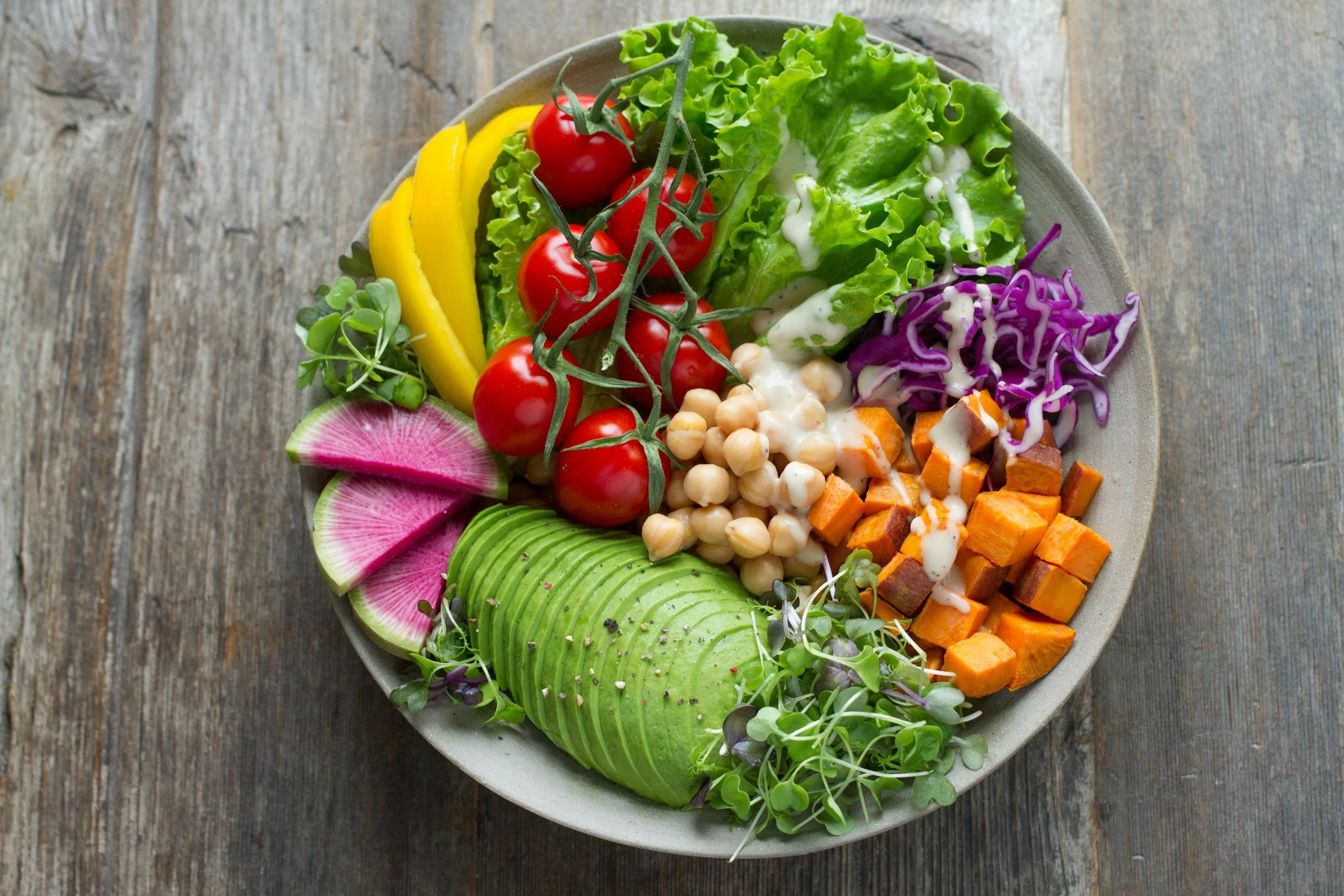
“Let food be thy medicine and medicine be thy food.”
— Hippocrates
As we started eliminating certain foods, my youngest daughter’s psoriasis began to clear up. Like… noticeably. Naturally, I was shocked and cautiously hopeful. When I went back to the specialist and shared this, expecting maybe a “huh, interesting,” she became angry. Not skeptical—angry.
She insisted it had nothing to do with diet. It was the ointments she had prescribed. And the summer sun. Definitely not food. She raised her voice, dismissed everything I had done to help my daughter, and told me—very confidently—that I’d be back in a few months because “that’s when I see all my psoriasis patients.”
She also insisted I keep the SickKids appointment she had referred us to, which I did. For three years.
Here’s the kicker: the doctors there never once saw any psoriasis on my daughter’s body.
Fast forward twelve years. My daughter has never needed—or sought—any additional treatment for her skin condition.
And that moment? That was when I truly learned to trust my instincts as a parent. Because sometimes, you really do know your child better than anyone else. 💚
Let me be very clear before anyone comes for me with pitchforks and peer-reviewed studies: I am not saying food was a miracle cure. What we experienced was just that—our family’s experience, not scientific proof.
Current dermatology research doesn’t confirm a direct cause-and-effect relationship between diet and psoriasis. It does, however, acknowledge that certain foods can help reduce inflammation. All I know is this: something kept the psoriasis away.
For a few years, we really tried to focus on what my daughter was eating. And let me tell you—this was not easy. She has a mega sweet tooth, and her high school diet could best be described as “nutritionally questionable.” So no, it wasn’t perfect. Not even close.
We never became fully plant-based saints. But for many years, we made a conscious effort to eat well most of the time. And that’s kind of where I landed on the whole food thing: eating healthy isn’t about perfection. It’s about balance.
Because let’s be honest—if we couldn’t enjoy a few treats here and there, what would even be the point? A little indulgence isn’t going to ruin your health. Sometimes it’s the only thing that gets you through the day, and I fully support that.
Everyone seems to have their own very strong opinions about what the body needs to stay healthy as we age. While I’m definitely not a health professional, my daughter’s experience sparked a lasting interest in nutrition and aging well.
So, after years of reading, watching, learning, and living it… here’s what I’ve learned about eating well after 50:
What I’ve Learned About Eating Well After 50 (a very non-medical opinion)
1. Protein is no longer optional.
After 50, muscle loss starts speeding up like it’s late for an appointment. To keep what you’ve got, protein becomes more important than ever. How much you need depends on your activity level, body size, and overall health, so this is one of those do-a-little-research-for-yourself situations. Annoying, yes—but worth it.
2. Some nutrients deserve VIP status.
Potassium, calcium, vitamin D, fiber, and vitamin B12 all become increasingly important as we age. Fun fact no one tells you: your body’s ability to absorb B12 can decline over time, sometimes thanks to underlying health issues.
And calcium? Women over 50 especially need more of it—and not just for bones. It also supports heart health, nerves, and muscle function. Basically, calcium is doing way more behind the scenes than we give it credit for.
3. Fiber is wildly underrated.
Most people don’t get nearly enough fiber, even though it’s doing the unglamorous but essential work of keeping digestion running smoothly. It can also help reduce the risk of type 2 diabetes. Fiber isn’t flashy. It doesn’t get headlines. But it absolutely shows up for you.
4. Color on your plate is always a good sign.
Those natural reds, blues, and yellows in fruits and vegetables? That’s your clue that heart-protecting antioxidants are at work. Dark leafy greens like kale, arugula, broccoli, and spinach are especially powerful—loaded with fiber, supportive of muscle function, and great for heart health.
Bottom line: if your plate looks beige, we might need to talk.
5. Keep an eye on the usual suspects.
Sugar, saturated fat, and sodium—yes, those three. Being mindful of them helps reduce the risk of high blood pressure, diabetes, and heart disease. This isn’t about perfection. It’s about awareness and small choices that add up over time.
After 50, most of us know what works—and what absolutely does not—for our bodies. Eating well isn’t about rules or extremes. It’s about paying attention, aiming for balance, and enjoying life while taking care of yourself. And yes, that includes dessert. 🍰
“If it came from a plant, eat it; if it was made in a plant, don’t.”
— Michael Pollan —